


How to have a calm day in Perimenopause
A Day Curated for Energy, Ease & Quiet Luxury
Some days in perimenopause can feel harder than others. The simple act of getting up, getting ready for the day and feeling calm, can at times feel challenging.
Hormonal changes can affect sleep, body temperature, mood, and energy; so a gentler, more intentional morning routine can make a difference. Easing into your day during perimenopause
Think of this as a daily edit, less about perfection, and more about intention.
Perimenopause calls for refinement rather than restriction: thoughtful nourishment, softened pacing, and rituals that support both vitality and a feeling of calm.

1. Hydrate first thing
Night sweats and hormonal shifts can leave you dehydrated!
• Drink a glass of water! After having a lifestyle coach, part of my daily ritual was to drink 500 mls of water before eating or having my morning coffee; this is now a daily habit, and something I have to do in order to feel ready for the day!
• If you dislike the taste of water alone, try adding a slice of lemon, ginger, or some fruit for a slightly different taste.
2. Wake up slowly (if you can)
• Menopause often disrupts sleep, so your body may already feel stressed in the morning. Try to avoid jolting yourself awake:
• Use a gradual alarm or a natural light alarm clock will wake you up subtly
• Sit up in bed for a minute first before getting straight out of bed
• Take a few deep breaths to calm your system
• Listen to a guided meditation track, if you’re not used to meditating or meditate for a few mins while you’re gradually waking up
Do leg circles, wriggle your toes, and flex your feet before putting them onto the bedroom floor

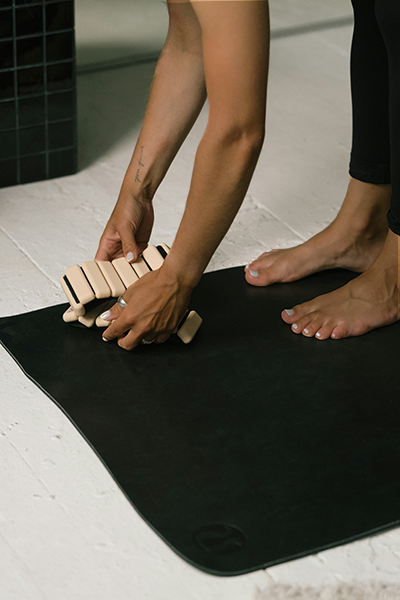
3. Gentle movement over high intensity cardio workouts
Perimenopausal bodies are more sensitive to stress hormones like cortisol.
Try doing some gentle stretching, yoga, or go for a short walk
Yoga or Tai chi are especially beneficial
Save high intensity workouts for a little later on
4. Support your nervous system
Mood swings and anxiety can be more noticable
Journalling can help to clear mental fog, trying to remember everything all of the time just adds to the feeling of overwhelm
Keep mornings calm and with low stimulation if possible
5. Be mindful with caffeine
Caffeine can worsen hot flushes or anxiety for some of us
Try delaying coffee by an hour or so after waking up
Switch to Green tea or a decaf coffee option


6. Eat a protein rich breakfast
Blood sugar balance is key for energy and mood balancing
Include protein (eggs, yogurt, nuts) +fibre – This helps to reduce mid-morning crashes and helps reduce cravings
7. Dress in layers
Hot flushes come on quite suddenly
Opt for Lightweight, breathable fabrics
Easy to remove and put back on layers, this helps to keep you in control, and able to help regulate your changing body temperature

8. Get natural light early
This regulates your circadian rhythm and mood
Step outside for 5-10 minutes, even cloudy daylight helps to reset your body clock
9. Be kind to your brain
Brain fog is common
Try not to overload your mornings with decisions
Use lists or routines to reduce mental strain
10. Adjust expectations
Some days will feel off; and that’s normal, try not to be too hard on yourself, your body is going through a big change
Try to focus on consistency, not perfection
Give yourself permission to go slower!
A dose of inspiration, not instruction, allowing your day to unfold with ease.
Disclaimer: These articles are for general information purposes only. The information contained in this article is not a substitute for medical advice – always consult a licensed healthcare professional for advice on your specific condition